
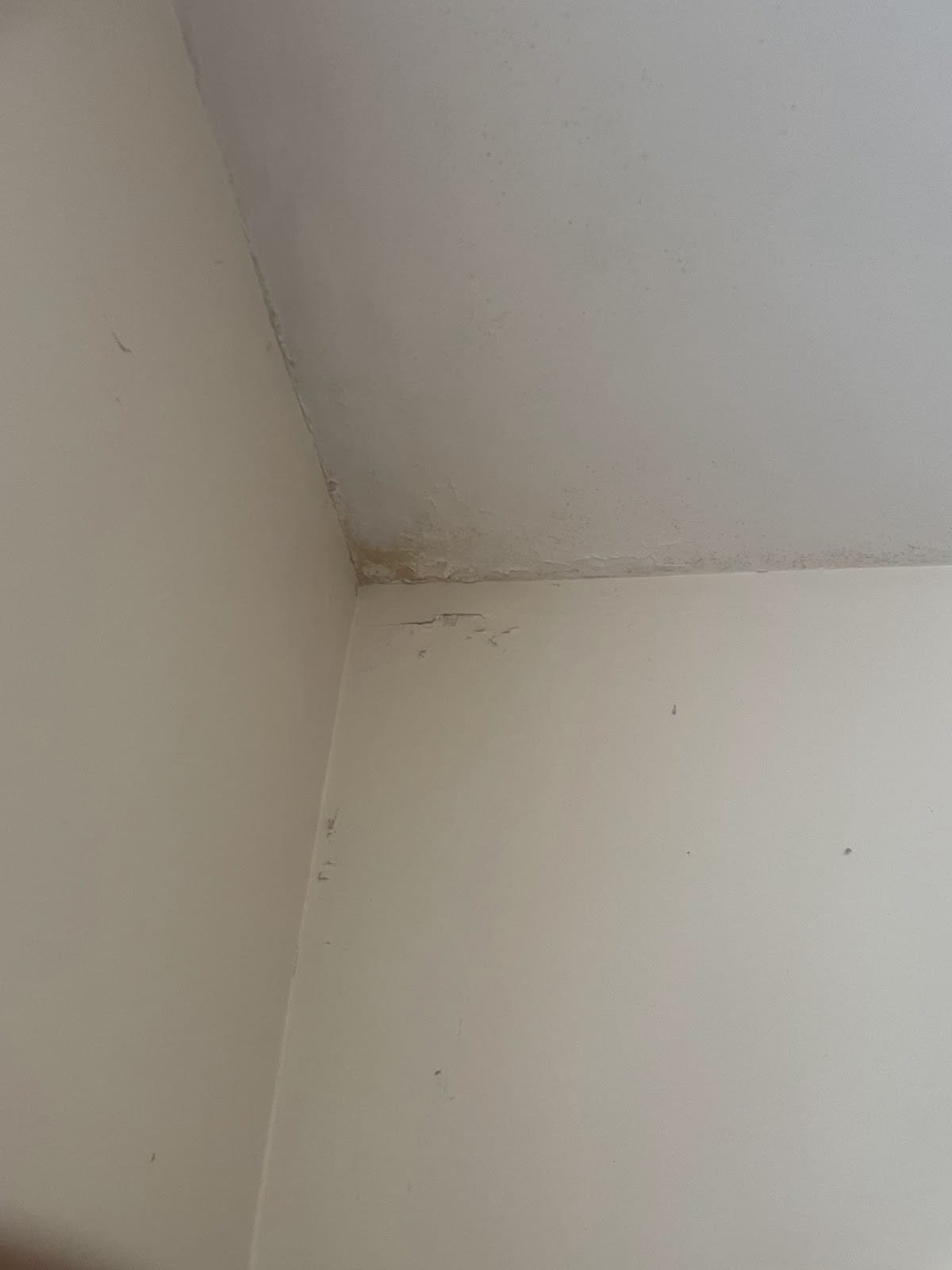
Prepare a wet-wall recurrence log
- 1First visible sign
- 2Timing / affected surfaces
- 3Qualified source investigation
These stages organize questions and records; they do not determine safety, cause, insurance coverage or the required treatment.
Prepare a wet-wall recurrence log: preparation checklist
Check items as you prepare. These controls stay on this page and are not saved or sent.
Separate a recurring mark from a new event
Record whether dampness has appeared before, whether rainfall preceded it and which surfaces are affected. Persistent moisture and sudden standing water may need different investigations. Do not label the cause before a qualified assessment.
Describe the building layout
Explain whether dampness appears near an exterior door, wall joint, window or wet ceiling. Dry valley air does not identify the source inside a wall. Note paint, baseboards, flooring layers and the rooms on the other side; ask how concealed materials will be assessed.
Ask for measured drying decisions
Room air feeling dry does not establish dry wall cavities or flooring. Review moisture records and ask for a plan tied to the affected materials. Discuss visible growth through mold remediation questions.
Keep future repairs distinct
Cleanup does not fix drainage, a foundation opening or a supply leak. Identify the responsible repair business and retain written findings. The hiring guide helps compare responsibilities.
Connect the guidance to the service
Review structural drying before discussing the assessment. Confirm the business, address availability, charges and written scope directly.
Official resources
Resources support general guidance. They do not establish provider availability or endorsement.